Essential Checks Before Buying a Used Convertible
Purchasing a used convertible can be an exciting prospect, offering the thrill of open-air driving at a more accessible price point. However, the unique characteristics of convertible vehicles mean that a thorough inspection goes beyond the standard checks performed on a regular car. The folding roof, the seals, and the overall structural integrity require careful attention to ensure you avoid costly repairs down the road. When you approach the pre-purchase inspection with a structured mindset, you can better evaluate the vehicle’s true condition and make an informed decision.
This article presents a comprehensive checklist designed to guide you through the evaluation of a used convertible. From the condition of the fabric or hardtop to the health of the engine and transmission, each aspect is examined in detail. We will also discuss the importance of a thorough test drive and provide insights on negotiating a fair price based on your findings. By following this guide, you can approach the buying process with confidence and clarity, ensuring that your new-to-you convertible brings enjoyment rather than unexpected headaches.
Evaluating the Folding Roof and Seals
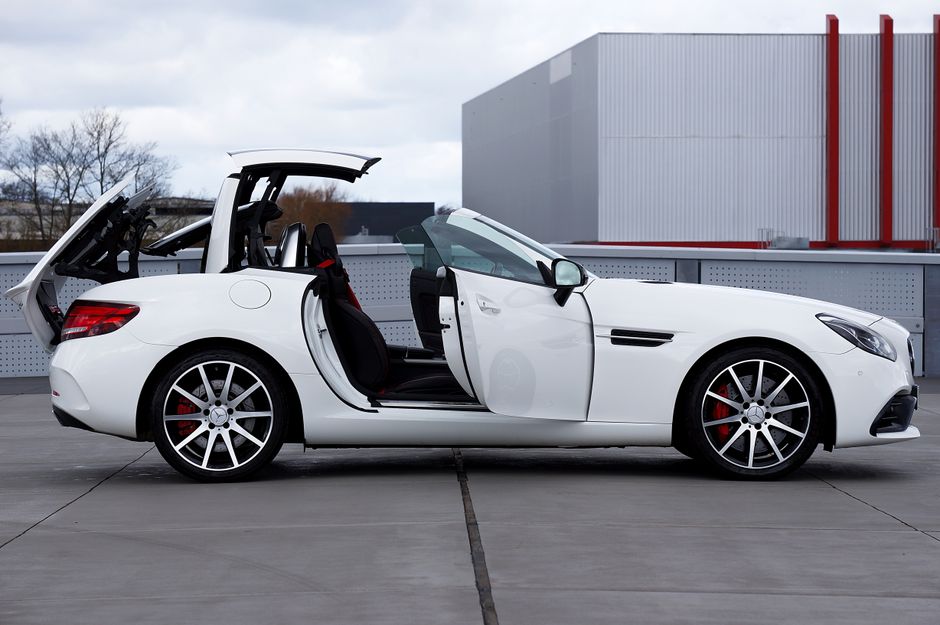
The folding roof is the defining feature of a convertible, and its condition is critical to the car’s functionality and leak resistance. For soft-top convertibles, you should inspect the fabric for any signs of wear, such as thinning, scratching, or discoloration. Look for any tears or punctures, no matter how small, as these can allow water to enter. Pay special attention to the seams and the stitching, which should be intact and free from fraying. If the top is made of vinyl, check for cracking or stiffness, which can indicate age or exposure to harsh weather.
Regardless of the roof material, the seals and gaskets around the windows and the windshield frame are essential. These rubber components can become brittle over time, leading to wind noise and leaks. Run your hand along the seals to feel for any cuts or deformation. A simple water test can be helpful, but it should be done carefully. If possible, spray the car with low-pressure water while sitting inside to observe any drips. However, this test should be performed on a dry car, and you should be cautious not to damage any interior components. Also, check the operation of the roof mechanism multiple times, listening for unusual noises or hesitation. A well-maintained roof should move smoothly and latch securely.
Assessing the Overall Body Integrity
The structural rigidity of a convertible differs from that of a fixed-roof car, as the absence of a solid roof often requires additional reinforcement. During your inspection, look for signs of stress or flexibility, which can manifest as squeaks, rattles, or uneven panel gaps. When driving over uneven surfaces, take note of any unusual sounds or vibrations that might indicate subframe issues. The body panels should align properly, and the gaps between them should be uniform. Any discrepancies might suggest prior accident repairs, which could compromise the vehicle’s integrity.
Inspect the underside of the car for rust, particularly in areas where moisture can accumulate, such as the sills and the floor pans. Rust can weaken the structure and lead to expensive repairs. Also, pay attention to the trunk and its seal, as water ingress here can cause damage to the electrical components. If the convertible has a hardtop in addition to the soft top, check its condition as well. Hardtops are often stored when not in use, so they may show signs of neglect, such as scratches or faded paint. Ensure that the hardtop fits properly and can be easily installed and removed.
Inspecting the Engine and Mechanical Systems
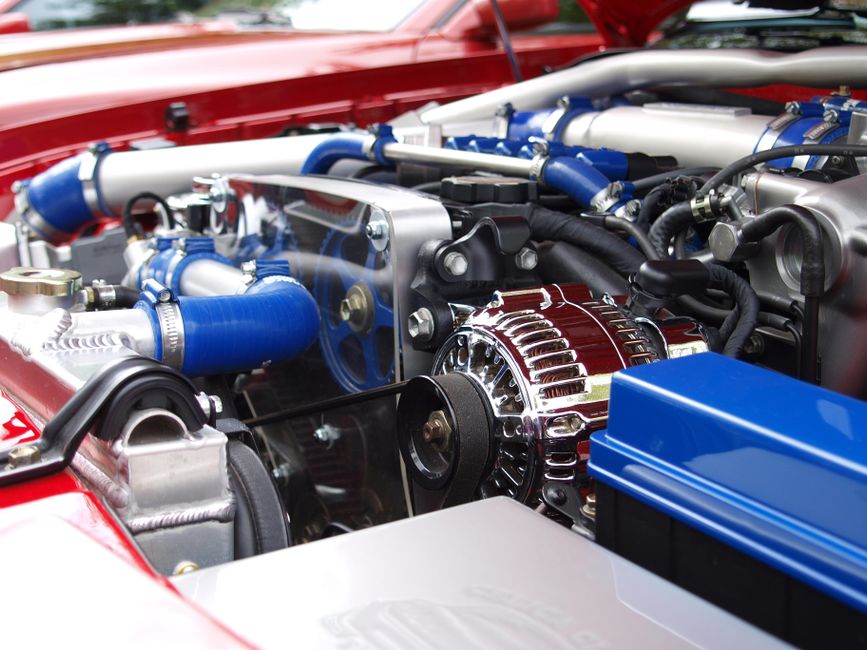
The mechanical health of the convertible is just as important as its appearance. Start by opening the engine bay and looking for signs of oil leaks, corrosion, or worn belts and hoses. Check the condition of the fluid levels, including oil, coolant, and brake fluid, and inspect them for any signs of contamination or overheating. A cool engine should not have any visible leaks, and the oil should be at the correct level. If the vehicle has high mileage, think about the potential need for major services in the near future.
Transmissions, both automatic and manual, should shift smoothly and without hesitation. For manual transmissions, the clutch should engage cleanly, and there should be no slipping. Listen for any whining or grinding noises during the test drive. The brakes should respond firmly, and the car should stop in a straight line. Additionally, verify the condition of the tires, ensuring they have adequate tread depth and no uneven wear patterns, which can indicate alignment issues. Also, check the suspension by bouncing each corner of the car; it should settle after one or two oscillations. Any excessive bouncing or clunking sounds might suggest worn shocks or struts.
Examining the Electrical and Interior Features
Convertibles often have additional electrical components, such as motors for the roof and heated seats, that require testing. Operate all power windows, locks, and mirrors to ensure they function correctly. Pay special attention to the roof’s power operation, as well as any rear window defroster if present. The dashboard warning lights should illuminate briefly when starting the car and then turn off. Any persistent warning lights, such as check engine or airbag indicators, should be investigated thoroughly, as they could point to significant issues.
The interior and the condition of the upholstery are also important. Look for signs of water damage, such as musty odors, stains on the carpets, or discoloration of the headliner. Test the air conditioning and heating to ensure they blow cold and hot air respectively. Also, verify that the audio system and any navigation features are operational. The seats, especially the driver’s seat, should have minimal wear and be easily adjustable. If the car has been damaged by water, the electrical system may be unreliable, so it is wise to have a professional inspection if you have any doubts.
Taking a Thorough Test Drive
A test drive is your opportunity to evaluate the convertible under its normal operating conditions. Choose a route that includes both city streets and highways, as well as some curves, to get a feel for the car’s behavior at various speeds. Start by adjusting the seats and mirrors, and ensure that the driving position is comfortable. As you drive, listen for any unusual sounds from the roof, engine, or suspension. Pay attention to the steering responsiveness and the car’s stability when changing lanes or making turns.
During the test drive, test the roof’s operation while the car is stationary, but also note any wind noise when driving with the roof up. If possible, drive with the top down to experience the open-air feeling and check for buffeting and wind noise, which can vary significantly between models. Also, test the brakes from highway speeds, and perform a full stop to feel for any pulsation or pulling to one side. The gearbox should respond promptly, and there should be no jerky shifts. After the drive, allow the engine to idle for a few minutes and check for any leaks underneath the car. Keep in mind that a test drive reveals only part of the vehicle’s condition, but it is an invaluable part of the assessment process.
Negotiating a Fair Price Based on Your Findings
Armed with the information from your inspection, you can approach the price negotiation with a clear understanding of the vehicle’s value. If you identified any issues, you can use them as discussion points to justify a lower offer. It is reasonable to request a reduction for repairs that may be needed, such as a replacement roof or brake pads. However, you should also consider the vehicle’s overall market value. Research comparable listings and use them as a baseline. If the seller is unwilling to negotiate on price, you might instead ask for repairs to be completed or for a warranty to be added.
Negotiation is a common part of the used car buying process, but it should be conducted respectfully and informed by facts. Before making an offer, determine your maximum budget and have a set of non-negotiable criteria in mind. If the seller cannot meet your price, be prepared to walk away. There are many other convertibles on the market, and being patient can lead to a better deal. Remember that a fair price reflects the condition of the vehicle, its maintenance history, and any investment you may need to make to bring it to a good standard.
In conclusion, buying a used convertible requires a systematic approach that covers all the unique aspects of these vehicles. By thoroughly inspecting the roof, body, mechanical components, and interior, and by taking an informative test drive, you can identify potential issues and make an informed decision. Negotiating based on your findings ensures that you pay a fair price. With this checklist in hand, you are well-prepared to find a convertible that offers both enjoyment and reliability.