The Evolution of Convertibles: From Early Roadsters to Modern Designs
The convertible automobile has long held a unique place in the automotive world, representing a blend of freedom, style, and engineering ingenuity. From the early days of motoring, when open cars were the norm, to the sophisticated retractable hardtops of today, the evolution of convertibles mirrors broader technological and cultural shifts. This article traces the historical progression of convertibles, focusing on the design and engineering innovations that have transformed the open-air driving experience.
Understanding this evolution requires looking at both the vehicles themselves and the societal contexts that shaped them. Early roadsters were simple and functional, born from an era when automobiles were still finding their identity. Over the decades, convertibles have adapted to changing safety regulations, consumer preferences, and manufacturing capabilities. The journey from basic soft-tops to complex folding metal roofs is a story of persistent innovation and adaptation.
The Dawn of the Roadster: Early 20th Century
At the turn of the 20th century, virtually all automobiles were open to the elements, as enclosed cabins were rare and expensive. These early vehicles, often called roadsters or tourers, featured minimal bodywork, with passengers exposed to wind, dust, and weather. The Ford Model T, introduced in 1908, was available in runabout and touring body styles, both of which were open. This period emphasized simplicity and utility, with the open design being a practical choice for manufacturing and cost reasons.
As the automobile industry matured, the roadster body style gained popularity for its sporty appearance and lighter weight. The 1920s saw the rise of classic roadsters, such as the 1929 Auburn 8-90, which combined open-air driving with style and performance. These vehicles typically featured a fabric top that could be manually raised or lowered, but the complexity of the mechanism was minimal. The focus was on the driving experience, with engineers prioritizing handling and speed over comfort and weather protection.
During the 1930s, as roads improved and speeds increased, manufacturers began to explore more sophisticated top mechanisms. The introduction of power-operated soft tops in the late 1930s, like those offered on luxury models from Packard and Cadillac, signaled a shift toward convenience. However, these early systems were often unreliable and expensive, limiting their availability to high-end vehicles. The roadster era laid the foundation for convertibles by establishing the open-air concept and its appeal to enthusiasts.
The Golden Age of Convertibles: Post-War Era
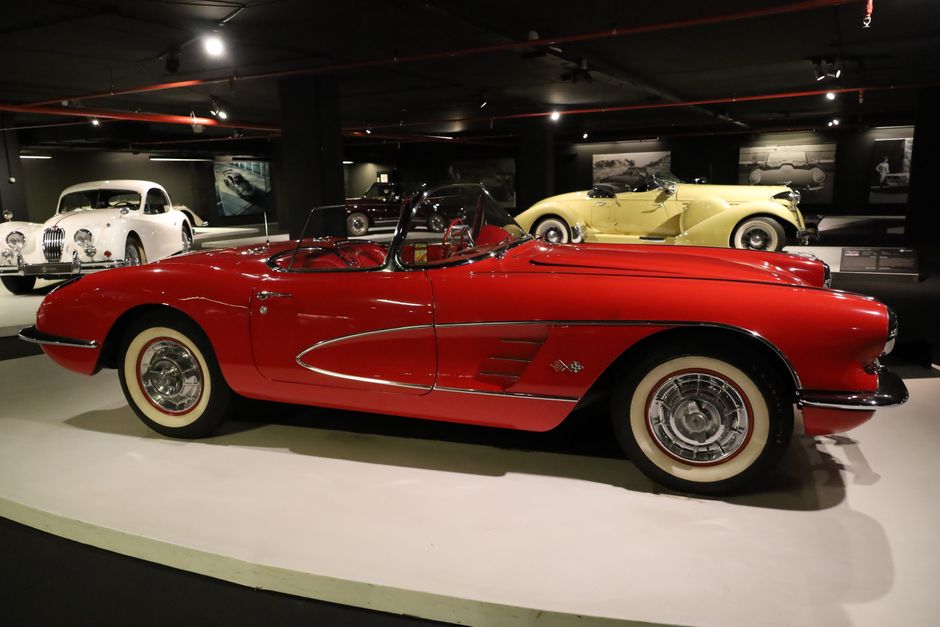
Following World War II, the convertible experienced a golden age in the United States, becoming a symbol of prosperity and freedom. The 1950s and 1960s are often remembered as the peak of convertible popularity, with Americans embracing open-air motoring as a lifestyle choice. Convertibles from this era, such as the Chevrolet Bel Air, Ford Thunderbird, and Cadillac Eldorado, featured bold styling, chrome accents, and tailfins, reflecting the optimism of the time.
Technological advancements in this period included improved hydraulic systems for power tops, allowing for faster and more reliable operation. The introduction of the pillarless hardtop in the late 1940s, although not a true convertible, influenced convertible design by reducing the visual bulk of the roof structure. The three-position power top, which allowed for a fully open, partially open, or closed configuration, became a standard feature, enhancing versatility.
However, the golden age also saw the emergence of safety concerns that would eventually impact convertible production. The National Highway Traffic Safety Administration (NHTSA) was established in 1970, and with it came crash-testing and rollover standards that convertibles struggled to meet. The combination of rising insurance costs, federal regulations, and a shift in consumer preferences toward more practical vehicles led to a decline in convertible sales by the 1970s. Many manufacturers phased out convertibles, with the last American convertible of that era, the Cadillac Eldorado, ending production in 1976.
The Practical Comeback: Modern Soft-Tops
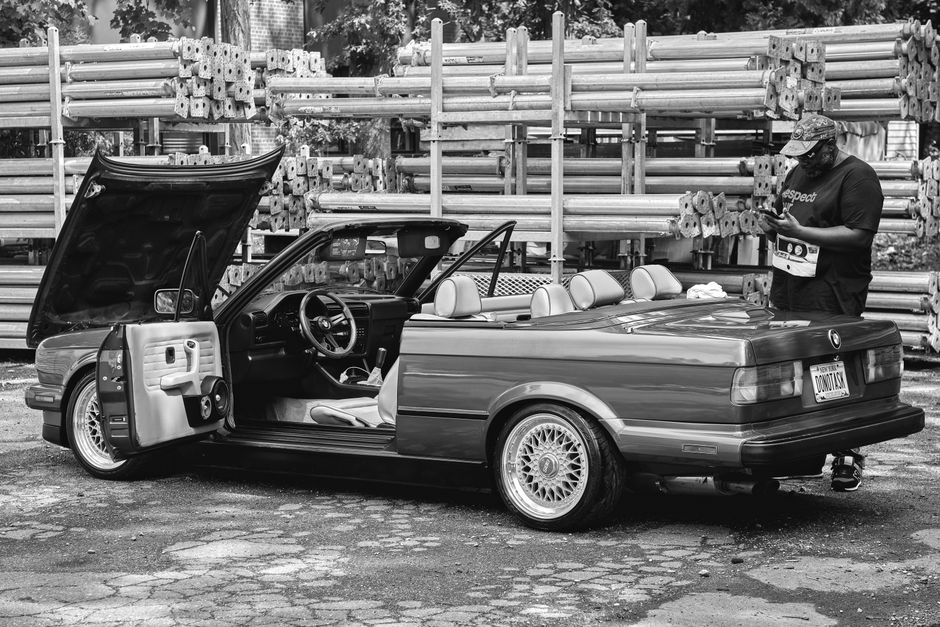
The 1980s and 1990s witnessed a gradual resurgence of convertibles, driven by advancements in materials and engineering. Soft-top technology improved significantly, with multi-layer fabric roofs providing better insulation and noise reduction. The introduction of fully automatic folding mechanisms, using electric motors and microprocessors, made convertible operation more convenient than ever. Models like the Mazda MX-5 Miata, launched in 1989, demonstrated that an affordable, lightweight convertible could offer both fun and reliability.
Safety also played a role in the comeback. Manufacturers implemented structural reinforcements, including strengthened windshields and roll bars, to meet rollover standards without compromising the open-air experience. The use of high-strength steel and, later, aluminum helped reduce weight while maintaining rigidity. These innovations allowed convertibles to offer comparable safety to fixed-roof vehicles, alleviating some of the concerns that had hindered the market.
As computer-aided design (CAD) and simulation became standard in the automotive industry, engineers could refine top mechanisms and body structures with greater precision. This period also saw the rise of niche markets, with convertibles being offered in a variety of segments, from subcompacts to luxury grand tourers. The soft-top remained the dominant form because of its lower cost and lighter weight, but the stage was set for a more dramatic transformation.
Innovation of Retractable Hardtops
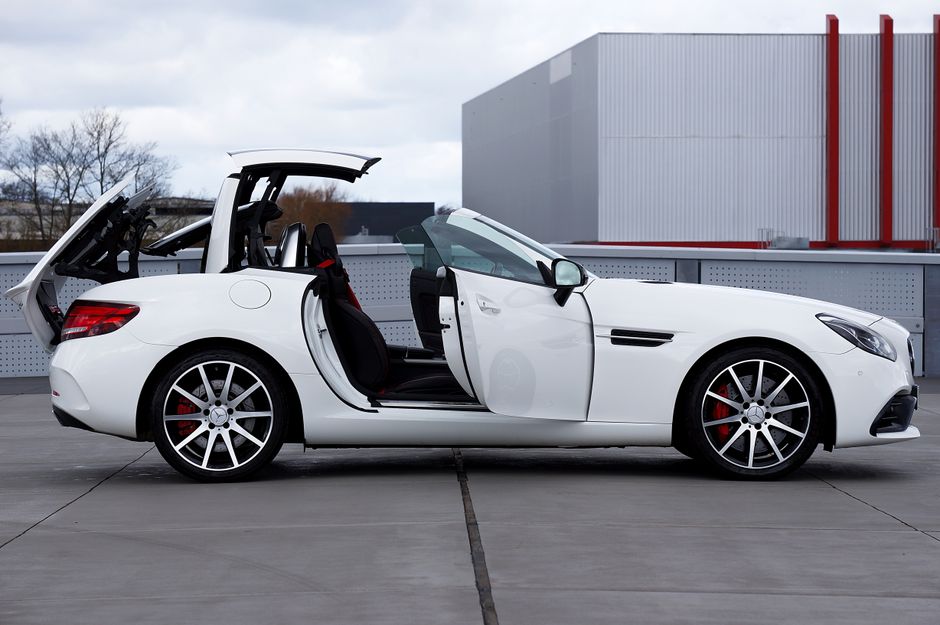
One of the most significant innovations in convertible design is the retractable hardtop, which combines the convenience of a convertible with the comfort and security of a fixed roof. Initially developed in the 1930s, the concept was revived in the 1990s and became increasingly popular in the 2000s. The retractable hardtop features multiple power-folding panels that stow into the trunk, creating a seamless transformation from closed coupe to open roadster. Early examples include the 1995 Mitsubishi 3000GT Spyder and the 2001 Mercedes-Benz SLK, which demonstrated the feasibility of the design.
The engineering behind retractable hardtops is complex, requiring precise kinematics, powerful hydraulic or electric actuators, and intelligent space management. Designers must ensure that the roof panels fold in a manner that fits within the trunk without encroaching on luggage space excessively. Modern systems often use patented mechanisms and advanced materials like aluminum and polycarbonate to minimize weight. The use of sensors and control modules allows for smooth operation, but the complexity also introduces potential failure points. Nevertheless, retractable hardtops have gained popularity, especially in luxury and performance models, offering an all-season solution for convertible enthusiasts.
In addition to hardtops, there is a growing trend toward innovative soft-top designs that improve aerodynamics and insulation. For example, Tesla’s Model S and Model X, while not traditional convertibles, feature panoramic glass roofs that can be opened partially, blending the boundaries between coupe and convertible. Others, like Ferrari and Lamborghini, use fabric tops that provide exceptional performance and aesthetics. These developments indicate that the convertible will continue to evolve, driven by advancements in materials, electronics, and consumer expectations.
The Future of Open-Air Motoring
Looking ahead, the future of convertibles appears poised for further transformation, with electrification, autonomous driving, and connectivity influencing design. Electric convertibles, such as the Porsche Taycan Cabriolet and the upcoming Tesla Roadster, offer instant torque and a low center of gravity, which could enhance handling. The absence of a traditional engine block may allow for more flexible packaging of the roof mechanism and battery placement. However, the added weight of batteries impacts the operation of folding roofs, necessitating stronger actuators and structural reinforcements.
Autonomous driving could change the role of the convertible, as occupants may no longer need to focus on the road and can instead enjoy the environment. This could lead to more spacious cabins and redesigned roof mechanisms that prioritize visibility and comfort. Connectivity features, such as advanced weather prediction and automatic roof operation based on driving conditions, could also become standard, enhancing the convenience and safety of convertibles.
Yet, the fundamental appeal of the convertible remains the experience of open-air driving, which many automakers strive to preserve even with new technologies. The challenge lies in balancing innovation with the traditional essence of the convertible. As history shows, the convertible has adapted to changing times while maintaining its core identity.
Convertible Chronicles continues to follow these developments, providing insights into how engineers and designers are reimagining the open-air car for the future.
In summary, the evolution of convertibles from early roadsters to modern designs is a testament to human creativity and engineering prowess. From the simplicity of early open cars to the sophisticated systems of today, convertibles have undergone significant transformations while retaining their allure. As new technologies emerge, the convertible promises to remain an exciting and dynamic segment of the automotive industry, offering a unique blend of freedom and innovation.